










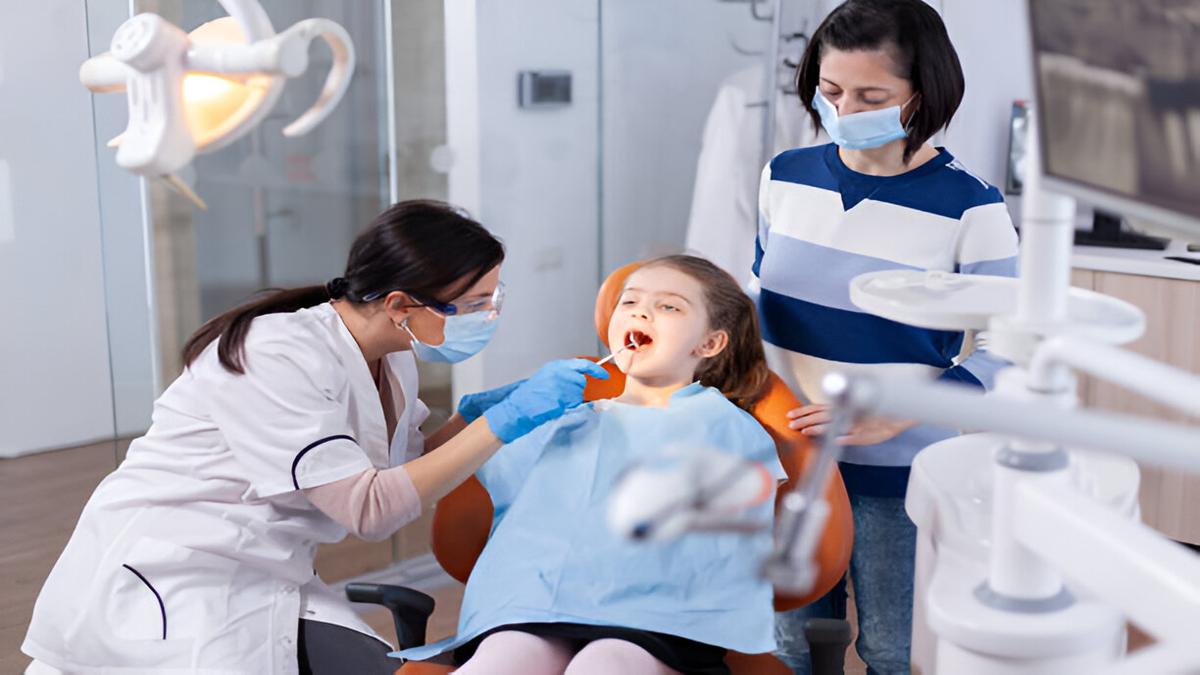
Introduction to Adenoidid (Adenoiditis):
Adenoidid or adenoiditis may not be in your vocabulary, but it’s in your preschooler’s and kindergartner’s respiratory system, and, in some cases, never quite goes away. These tiny glands are actually very important in your immune system and help to protect you from infections. But when they get inflamed or infected, it can cause a battery of unpleasant symptoms and health problems.
It is important for both parents and individuals to understand this condition. From early identification of the warning signs to a clear understanding of the best treatment options, having information makes it much easier to act when action is called for.
For everything you need to look for and do at home to help feel like yourself again, including causes, symptoms, diagnosis, treatments and possible home remedies, here’s a complete guide to what adenoidid really means. Read on as I reveal all you really need to know about dealing with adenoiditis!
What are Adenoidid and their Function in the Body?
Adenoidid (Adenoids) are nodes of lymphoid tissue located at the posterior of the nasal cavity. They are important in the body’s defence system, particularly in childhood.
These tissues also help trap pathogens such as bacteria and viruses that pass through the nose. In this way, adenoids help protect the rest of the respiratory system from infection.
Children usually have larger adenoids than adults because their immune system may still be developing. As these tissues develop, they frequently tend to decrease in size and lose importance as immune structures.
But when adenoids do grow and become inflamed, a condition known as adenoiditis, they may contribute to a range of health problems, like trouble breathing or frequent ear infections. Knowing how they work serves to underscore the importance of maintenance for overall well-being.
Understanding Adenoidid: Causes and Risk Factors
Adenoiditis primarily arises from infections. The usual suspects are bacterial and viral pathogens. These intruders cause inflammation of the adenoidid, often after colds or other infections of the respiratory tract have passed.
There are some things that put you at greater risk for having your adenoids become infected. Kids are a high-risk group because their immune systems are so immature. The risk rises when you’re exposed to allergens such as dust, pollen or pet dander.
Environmental conditions contribute as well. “Chronic exposure to secondhand smoke or pollution can irritate the throat and the nasal passages, making infections more likely.”
There may also be a family history of allergies or respiratory problems. If parents have suffered multiple throat infections, their children may have the same issues with adenoiditis one day.
Knowing these causes assists in identifying possible symptoms in the early stage for early care and intervention.
Signs and Symptoms of Adenoidid:
Adenoiditis frequently has a few telltale symptoms. One of them is the symptom of having a stuffy nose, and having difficulty breathing through the nose for a lot of people.
You may also notice ongoing snoring or abnormal sleep patterns. This may be due to an enlarged adenoids obstructing the airway during sleep.
A history of getting ear infections often is another clue. The swelling may involve the eustachian tubes, causing discomfort or possible hearing loss.
Children with adenoiditis can also have a sore throat or have trouble swallowing. These symptoms tend to stay, and then the dog ends up being irritable because it’s uncomfortable all the time.
Fever is an additional symptom that might coexist with these complaints, indicating an underlying infection. If you or your child has these symptoms, it’s important to get medical care right away to ensure a correct diagnosis and treatment.
Diagnosis of Adenoidid:
Adenoidid can be diagnosed during a thorough examination by a doctor. First comes the detailed medical history, in which the doctor asks about the cough and any history of respiratory problems, among other things.
This is followed by a physical examination, specifically of the throat and nasal passages. A doctor might use tools such as an endoscope to get a good look at the adenoidid’ condition. This non-invasive process proves to be convenient and not very uncomfortable.
Some imaging tests, such as an X-ray, might also be ordered to obtain a clearer image of the size of the adenoidid. These images can indicate whether or not inflammation or enlargement is occurring.
Blood tests or allergy tests can also be used to check for allergies and other conditions. Comprehensive diagnostics allows for a highly individualised adaptation of suitable treatment methods.
Treatment Options for Adenoidid:
The treatment of adenoidid depends on the form and degree of the disease. For mild cases, doctors typically advise observation and monitoring. Symptoms may resolve without intervention.
Medications can help when symptoms are worse. Antibiotics do the trick if there is a bacterial infection. This analgesic also has the added benefit of decreasing your child’s fever.
Severe or long-term cases may necessitate surgical removal of the adenoidid, a procedure called adenoidectomy. This operation usually cures chronic problems like ear infections and breathing.
After a surgery, recuperation generally proceeds by leaps and bounds, although you’ll need to take some precautions when you’re at home. Staying hydrated and eating soft foods can help with healing with less pain.
It’s important to see a doctor to decide on a treatment plan that’s right for the individual’s needs and the circumstances surrounding adenoiditis.
Natural Remedy to Get Rid of Symptoms of Adenoidid:
Control of adenoiditis at home is possible with natural cures. Saltwater gargles can be a great aid to a sore, irritated throat and to lower inflammation.
Twice daily steam inhalation is also amazing. Inhaling steam from a hot shower or a bowl of boiling water may help reduce congestion and shortness of breath.
Honey, the other participant, has calming properties too. A spoonful diluted with hot water can be drunk by sufferers of coughs and sore throats.
Drink herbal teas, especially those with chamomile or ginger, which have anti-inflammatory properties and hydrating effects. There is something to be said for sipping these comfort drinks.
Being well-hydrated contributes to overall health and helps to reduce mucus secretions. Plenty of fluids should be encouraged throughout the day to ensure a successful recovery.
Prevention Tips for Avoiding Adenoidid:
Good hygiene is key to avoiding adenoidid. Promote frequent handwashing, particularly before eating and after visiting public places. This easy routine decreases the chance of developing infections, which may cause inflammation.
Diet is also a significant contributor to having a perfect arse. Load up on fruits and vegetables to boost immunity. Those foods with high levels of vitamins C and A are especially helpful.
Steering clear of allergens is another part. If your child has allergies, try to control those triggers in collaboration with an allergist. Minimising exposure can help the adenoidid not become inflamed.’
Ensure proper ventilation at home. Clear air can help ease nose breathing related to adenoiditis, so use air purifiers, leave open windows when it gets warmer for fresh air or let fresh air in your home with the use of fans on low.
Conclusion
Adenoidid (adenoididitis) is an ailment that affects children and adults alike. The adenoidid are part of our immune system, and comprehending them helps make sense of why they can also become a problem. From uncovering the causes and risk factors to knowing the signs and symptoms, knowledge is power in managing stomach cancer.
Proper diagnosis is important for successful treatment decisions. Whether through medicines or surgery, early treatment of adenoiditis can prevent complications later. Furthermore, natural remedies can provide comfort and relief while helping to reduce the duration of the condition.
Prevention is key to avoiding this condition. Practising good hygiene and being mindful of environmental triggers can help keep you healthy.